- Scuola di inglese
- Corsi
- Student zone
-
E-Shop
- Bambini
- Corsi individuali bambini
- Corsi di gruppo bambini
- Ragazzi
- Corsi individuali ragazzi
- Corsi di gruppo ragazzi
- Adulti
- Corsi generali individuali
- Corsi generali di gruppo
- Linguaskill
- Corsi Linguaskill
- TKT
- Corsi individuali TKT
- Corsi di gruppo TKT
- Business
- Corsi individuali di business English
- Corsi di gruppo di business English
-
Prenota Cambridge
- Contatti
- Prenota esami Cambridge
- Gruppi scolastici
- Prezzi
- Informazioni su risultati e certificati
-
- The project
- ISP exam fees for schools
- How to join the project
- How to organise exams in your school
- Information for parents
- Support for teachers
- International recognition
- Preparation Centre V Authorized Centre - the difference
- Preparation Centre Logos
- Cambridge Apps, games and activities
- Cambridge English Penfriends
- Social media
- How to officially accept Cambridge English exams
- CELTA
- Linguaskill
- CPSQ/TSA
- Blog


Scottish Tartan
Data pubblicazione:
25/03/26
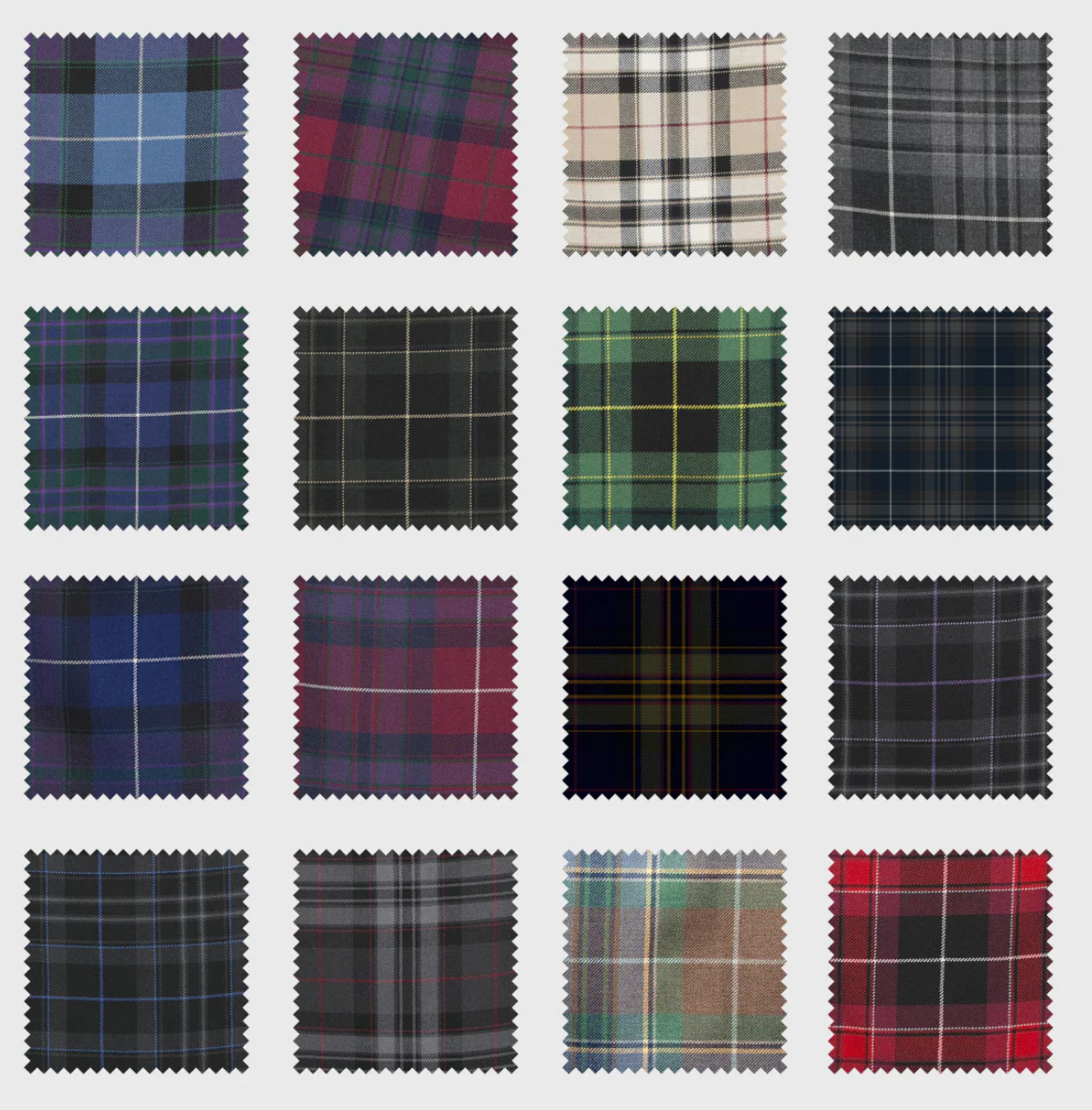
SCOTTISH TARTAN
The wearing of kilts and tartan in general is worldwide considered to be the most defining characteristic of Scotland and it’s people. Tartan is a very specific design essentially consisting of both broad and narrow lines, and comprising two or more colours. It should have the same symmetrical pattern both horizontally and vertically, creating a chequered design. While historically different designs of tartan distinguished different clans or families, today it is worn mostly for special occasions and celebrations, such as weddings, birthdays and New Year (or ‘Hogmanay’) parties.
Today, there are approximately 3,000 different tartan designs on the official register.
Tartan started to become synonymous with the Scottish Highlands particularly during the 17th and 18th Century and by the mid-18th Century, it signified an allegiance to Charles Edward Stuart, known to Scots as Bonnie Prince Charlie. In 1745 in an attempt to reclaim his throne from his own father, Bonnie Prince Charlie led a tartan-wearing army into England for a series of uprisings and battles. However they were defeated in the Battle of Culloden in 1746 and the English banned the wearing of Highland dress and tartan with the Act of Proscription. This law was later abolished in 1782. It wasn’t until about 1815 that tartan became synonymous with different Scottish clans and families. The visit of King George IV to Scotland in 1822 was a significant moment in the history of tartan. Highland chiefs were summoned to this event, and asked to wear official clan tartans. This visit was the first time an English monarch had officially visited Scotland since 1641, and the King himself appeared in full Highland dress. The Scottish novelist Sir Walter Scott helped to organise this visit, and encouraged Scottish people to start wearing tartan again, as a symbol of national pride and in respect for their roots.
Early tartans were linked more specifically to regions than families. Speaking of early tartans, the oldest tartan ever found was discovered in a peat bog in Glen Affric, and radiocarbon dating suggests this tartan was from sometime between 1500 and 1600, during the rule of the Stuart monarchs, including Mary Queen of Scots.
So what actually is tartan, and how is it worn? As mentioned, tartan is essentially a chequered design comprising of different lines and colours. The traditional method of making tartan garments is weaving, although with more modern methods, tartan garments can be factory mass produced at a fast rate, without weaving, however there are still many traditional weaving mills throughout Scotland for a more authentic twist on the design. The traditional colours generally tend to be darker, as these were the only materials available to weavers in the past, but now with more modern methods and the wider availability of colours, brighter shades of tartan are not difficult to find. Perhaps the most defining aspect of Scottish tartan and dress is the kilt. This is essentially like a knee length skirt, worn exclusively by men, and is a staple garment at all celebrations in Scotland.
Today, tartan is worn all around the world, not just in Scotland. It is one of the most popular designs worldwide and can be worn in almost any style, be it jackets, shirts, trousers or skirts. Perhaps the most popular style is a predominantly red background with black or blue lines, which has almost come to be defined as the stereotypical tartan design, in modern times. It is such a popular design, that there is even an official National Tartan Day which takes place globally on the 6th April every year. However, most people around the world who wear tartan today are perhaps unaware of it’s origins as a true Scottish piece of heritage and culture with a rich history, and the design is truly timeless.
The wearing of kilts and tartan in general is worldwide considered to be the most defining characteristic of Scotland and it’s people. Tartan is a very specific design essentially consisting of both broad and narrow lines, and comprising two or more colours. It should have the same symmetrical pattern both horizontally and vertically, creating a chequered design. While historically different designs of tartan distinguished different clans or families, today it is worn mostly for special occasions and celebrations, such as weddings, birthdays and New Year (or ‘Hogmanay’) parties.
Today, there are approximately 3,000 different tartan designs on the official register.
Tartan started to become synonymous with the Scottish Highlands particularly during the 17th and 18th Century and by the mid-18th Century, it signified an allegiance to Charles Edward Stuart, known to Scots as Bonnie Prince Charlie. In 1745 in an attempt to reclaim his throne from his own father, Bonnie Prince Charlie led a tartan-wearing army into England for a series of uprisings and battles. However they were defeated in the Battle of Culloden in 1746 and the English banned the wearing of Highland dress and tartan with the Act of Proscription. This law was later abolished in 1782. It wasn’t until about 1815 that tartan became synonymous with different Scottish clans and families. The visit of King George IV to Scotland in 1822 was a significant moment in the history of tartan. Highland chiefs were summoned to this event, and asked to wear official clan tartans. This visit was the first time an English monarch had officially visited Scotland since 1641, and the King himself appeared in full Highland dress. The Scottish novelist Sir Walter Scott helped to organise this visit, and encouraged Scottish people to start wearing tartan again, as a symbol of national pride and in respect for their roots.
Early tartans were linked more specifically to regions than families. Speaking of early tartans, the oldest tartan ever found was discovered in a peat bog in Glen Affric, and radiocarbon dating suggests this tartan was from sometime between 1500 and 1600, during the rule of the Stuart monarchs, including Mary Queen of Scots.
So what actually is tartan, and how is it worn? As mentioned, tartan is essentially a chequered design comprising of different lines and colours. The traditional method of making tartan garments is weaving, although with more modern methods, tartan garments can be factory mass produced at a fast rate, without weaving, however there are still many traditional weaving mills throughout Scotland for a more authentic twist on the design. The traditional colours generally tend to be darker, as these were the only materials available to weavers in the past, but now with more modern methods and the wider availability of colours, brighter shades of tartan are not difficult to find. Perhaps the most defining aspect of Scottish tartan and dress is the kilt. This is essentially like a knee length skirt, worn exclusively by men, and is a staple garment at all celebrations in Scotland.
Today, tartan is worn all around the world, not just in Scotland. It is one of the most popular designs worldwide and can be worn in almost any style, be it jackets, shirts, trousers or skirts. Perhaps the most popular style is a predominantly red background with black or blue lines, which has almost come to be defined as the stereotypical tartan design, in modern times. It is such a popular design, that there is even an official National Tartan Day which takes place globally on the 6th April every year. However, most people around the world who wear tartan today are perhaps unaware of it’s origins as a true Scottish piece of heritage and culture with a rich history, and the design is truly timeless.
Hai domande?





I nostri social
LE ULTIME DAL NOSTRO INSTAGRAM
@englishexpress_cambridgeit997
ENTRA A FAR PARTE DELLA NOSTRA COMMUNITY
PER NON PERDERTI NESSUN AGGIORNAMENTO!