- Scuola di inglese
- Corsi
- Student zone
-
E-Shop
- Bambini
- Corsi individuali bambini
- Corsi di gruppo bambini
- Ragazzi
- Corsi individuali ragazzi
- Corsi di gruppo ragazzi
- Adulti
- Corsi generali individuali
- Corsi generali di gruppo
- Linguaskill
- Corsi Linguaskill
- TKT
- Corsi individuali TKT
- Corsi di gruppo TKT
- Business
- Corsi individuali di business English
- Corsi di gruppo di business English
-
Prenota Cambridge
- Contatti
- Prenota esami Cambridge
- Gruppi scolastici
- Prezzi
- Informazioni su risultati e certificati
-
- The project
- ISP exam fees for schools
- How to join the project
- How to organise exams in your school
- Information for parents
- Support for teachers
- International recognition
- Preparation Centre V Authorized Centre - the difference
- Preparation Centre Logos
- Cambridge Apps, games and activities
- Cambridge English Penfriends
- Social media
- How to officially accept Cambridge English exams
- CELTA
- Linguaskill
- CPSQ/TSA
- Blog


THE TOWER OF LONDON
Data pubblicazione:
02/06/26
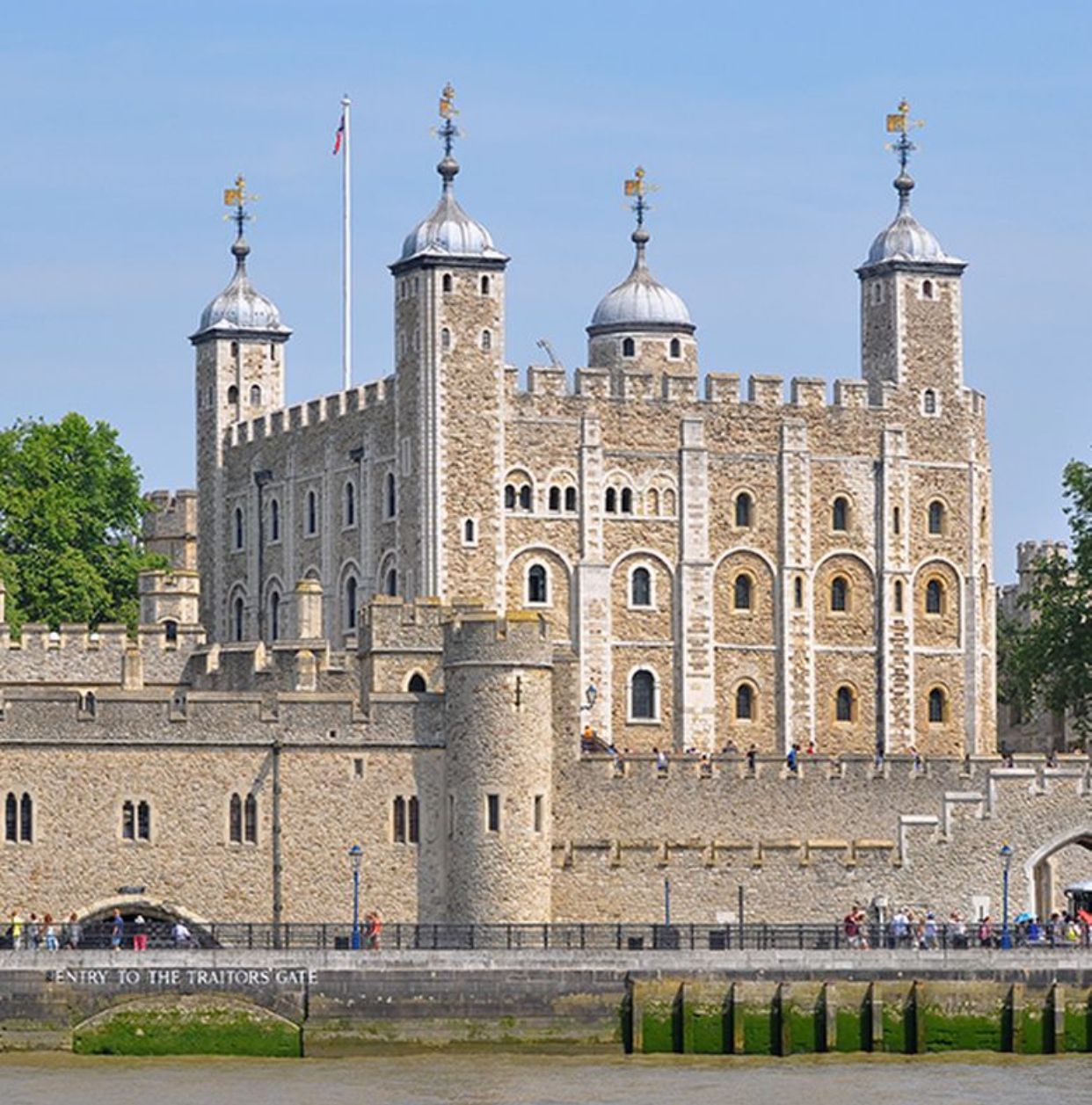
THE TOWER OF LONDON
The Tower of London is one of the UK’s most popular tourist attractions. The Tower was built by William The Conqueror almost a thousand years ago at the centre of his London fortress, and to this day it continues to intrigue people and attract millions of tourists.
The Tower is situated on the banks of the River Thames, and has become one of the most legendary British monuments and symbols of Royalty. The Tower acted as a gateway to the capital, as well as a show of strength and to keep out the Saxons. However, over the centuries it has had a somewhat macabre history as a place of imprisonment, torture and execution, and many people believe the place to be haunted. The famous ravens of the tower only add to the dark legend of the tower.
Despite the fact the Tower was built as a fortress and royal residence, it also started to take on other uses. In 1204 King John created a royal menagerie, which consisted of a large number of wild animals. This even included a polar bear which was a gift from the king of Norway, and there was also an elephant a few years later.
Another use of the Tower was as the royal mint, which was established in 1279 by Edward I. The mint would be located at the Tower until the late 18th Century. At the same time, the Tower was also used to store records of government. For many centuries these documents went wherever the monarch went, but as these records grew bigger, it became clear that a permanent and secure place was needed for them, and there was no more secure place than the Tower of London. So by this time, the Tower was home to the mint, records of government, weapons, gunpowder and prisoners.
Speaking of prisoners, this is what the Tower is perhaps best known for. Many famous historical figures were incarcerated at the Tower over the centuries, including two of Henry VIII’s wives - Anne Boleyn and Catherine Howard - as well as Elizabeth I, Guy Fawkes and the gunpowder plotters, Lady Jane Grey, Sir Walter Raleigh and George Plantagenet.
While torture and execution is also what makes the Tower of London famous, it was only used for these reasons for a relatively short time, considering the long history of the Tower. It was mostly used in this way during the 16th and 17th centuries, and only a small number of cases of physical torture were actually recorded. While solitary confinement and food and sleep deprivation were common methods, physical torture was also used as a way of interrogation. While it was used for punishment, it was generally more widely used to extract information.
After this period, the Tower became used more and more as a storage space for documents, weapons and priceless objects rather than prisoners. However, the Tower maintained it’s fearsome reputation as a dark place of torture and cruelty, and even to this day ‘being sent to the Tower’ is used as a lighthearted expression when somebody commits a misdemeanour, no matter how small.
It was in the 19th Century that the Tower was becoming more of a tourist attraction. Victorian visitors were fascinated by the macabre stories of imprisonment and suffering, and visiting the dungeons was the most popular aspect for visitors to the Tower.
Today the Tower is still very much a living fortress, and is still protected by the famous Yeoman Warders or ‘Beefeaters’, as well as ravens, a tradition that has survived throughout the centuries. The Tower of London remains one of the world’s most popular tourist destinations, and is visited by millions of tourists from around the world.
The Tower of London is one of the UK’s most popular tourist attractions. The Tower was built by William The Conqueror almost a thousand years ago at the centre of his London fortress, and to this day it continues to intrigue people and attract millions of tourists.
The Tower is situated on the banks of the River Thames, and has become one of the most legendary British monuments and symbols of Royalty. The Tower acted as a gateway to the capital, as well as a show of strength and to keep out the Saxons. However, over the centuries it has had a somewhat macabre history as a place of imprisonment, torture and execution, and many people believe the place to be haunted. The famous ravens of the tower only add to the dark legend of the tower.
Despite the fact the Tower was built as a fortress and royal residence, it also started to take on other uses. In 1204 King John created a royal menagerie, which consisted of a large number of wild animals. This even included a polar bear which was a gift from the king of Norway, and there was also an elephant a few years later.
Another use of the Tower was as the royal mint, which was established in 1279 by Edward I. The mint would be located at the Tower until the late 18th Century. At the same time, the Tower was also used to store records of government. For many centuries these documents went wherever the monarch went, but as these records grew bigger, it became clear that a permanent and secure place was needed for them, and there was no more secure place than the Tower of London. So by this time, the Tower was home to the mint, records of government, weapons, gunpowder and prisoners.
Speaking of prisoners, this is what the Tower is perhaps best known for. Many famous historical figures were incarcerated at the Tower over the centuries, including two of Henry VIII’s wives - Anne Boleyn and Catherine Howard - as well as Elizabeth I, Guy Fawkes and the gunpowder plotters, Lady Jane Grey, Sir Walter Raleigh and George Plantagenet.
While torture and execution is also what makes the Tower of London famous, it was only used for these reasons for a relatively short time, considering the long history of the Tower. It was mostly used in this way during the 16th and 17th centuries, and only a small number of cases of physical torture were actually recorded. While solitary confinement and food and sleep deprivation were common methods, physical torture was also used as a way of interrogation. While it was used for punishment, it was generally more widely used to extract information.
After this period, the Tower became used more and more as a storage space for documents, weapons and priceless objects rather than prisoners. However, the Tower maintained it’s fearsome reputation as a dark place of torture and cruelty, and even to this day ‘being sent to the Tower’ is used as a lighthearted expression when somebody commits a misdemeanour, no matter how small.
It was in the 19th Century that the Tower was becoming more of a tourist attraction. Victorian visitors were fascinated by the macabre stories of imprisonment and suffering, and visiting the dungeons was the most popular aspect for visitors to the Tower.
Today the Tower is still very much a living fortress, and is still protected by the famous Yeoman Warders or ‘Beefeaters’, as well as ravens, a tradition that has survived throughout the centuries. The Tower of London remains one of the world’s most popular tourist destinations, and is visited by millions of tourists from around the world.
Hai domande?





I nostri social
LE ULTIME DAL NOSTRO INSTAGRAM
@englishexpress_cambridgeit997
ENTRA A FAR PARTE DELLA NOSTRA COMMUNITY
PER NON PERDERTI NESSUN AGGIORNAMENTO!